
The State and the Condemned
In Cold BloodThis thread traces the conflict between the defendants’ appeals for a different legal outcome and the state’s demand for execution.
increasing Bearing strength in each event
 decreasing
Bearing strength in each eventdecreasingThe Death Penalty Sought
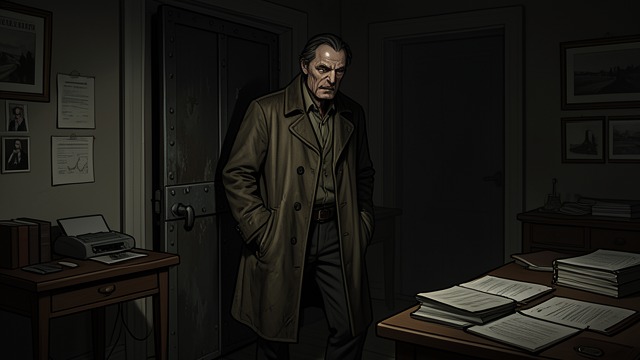
The Death Penalty Sought
Prosecutorial decision
Duane West announces that he will seek death because of the killings’ violence and the victims’ helplessness. The announcement defines the legal stakes before trial begins.
No simple alternative
The state’s sentencing system offers no ordinary assurance of lifelong imprisonment without parole. The defense must contest not only guilt but the consequences of conviction.
The Venue Question
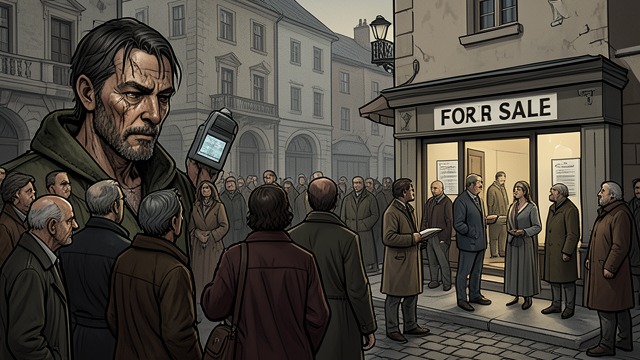
The Venue Question
Public feeling
The defense worries that publicity and community grief may prejudice prospective jurors. A sale of the Clutter estate on the eve of trial intensifies the concern.
A denied request
The judge refuses a postponement, and the defense had not secured a change of venue. The question later becomes central to appeals alleging an unfair trial.
Trial Under a Narrow Rule

Trial Under a Narrow Rule
Mental illness argued
The defense seeks psychiatric evidence about the defendants’ capacities and histories. The court applies the M’Naghten rule, which narrows the legal question to whether they knew right from wrong.
Experts constrained
W. Mitchell Jones cannot fully explain his assessments to the jury. The legal process turns complex psychological evidence into answers too limited to represent it fully.
Appeals and Delay
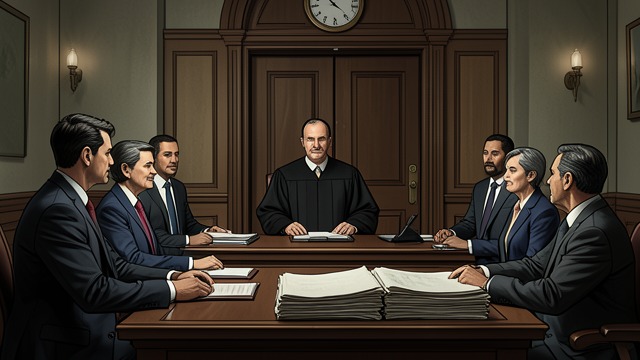
Appeals and Delay
Claims of unfairness
New lawyers challenge venue, representation, the handling of evidence, and the proceedings after the confessions. Repeated appeals delay execution but do not overturn the verdict.
Due process tested
Courts review whether the defendants received constitutionally adequate representation. The litigation exposes tension between procedural fairness and public confidence in punishment.
The Final Decision
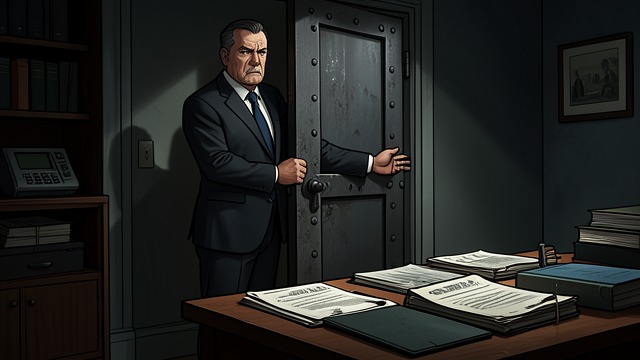
The Final Decision
Clemency refused
After the last appeals fail, the governor refuses to intervene. The state’s judgment proceeds despite continued disagreement about capital punishment and mercy.
Execution completed
Perry Smith and Dick are hanged. The legal conflict ends in action, while the question of whether the state should kill remains open beyond the execution chamber.
January 1960
March 1960, before trial
March 1960
1960–1965
March–April 1965
